
relion blood pressure monitor manual
ReliOn Blood Pressure Monitor Manual: A Comprehensive Guide
ReliOn monitors, like the BP100, BP200, and BP300 models, offer accessible health tracking. This guide details setup, usage, troubleshooting, and comparisons to brands like Omron.
ReliOn blood pressure monitors, available at Walmart, provide an affordable way to monitor cardiovascular health at home. These automatic, arm-based monitors – including models like the BP100, BP200 (HEM741CRELN4), and BP300 – are designed for ease of use. They cater to individuals proactively managing their well-being or those advised by healthcare professionals to track their blood pressure regularly.
Understanding your readings is crucial, and ReliOn aims to deliver accurate results. Compared to brands like Omron, ReliOn offers a budget-friendly alternative, often featuring similar core functionalities; This manual will guide you through setup, measurement techniques, and troubleshooting to ensure optimal performance.
Understanding Blood Pressure Readings
Blood pressure is measured in millimeters of mercury (mmHg) with two numbers: systolic and diastolic. Systolic pressure, the top number, reflects the pressure when your heart beats. Diastolic, the bottom number, indicates pressure when your heart rests between beats. Generally, a reading around 120/80 mmHg is considered normal.
However, classifications vary; consult your doctor for personalized targets. Elevated readings require attention, potentially indicating hypertension. Your ReliOn monitor displays both values alongside your pulse rate, providing a comprehensive overview. Consistent monitoring and understanding these numbers are vital for proactive health management.
Setting Up Your ReliOn Monitor
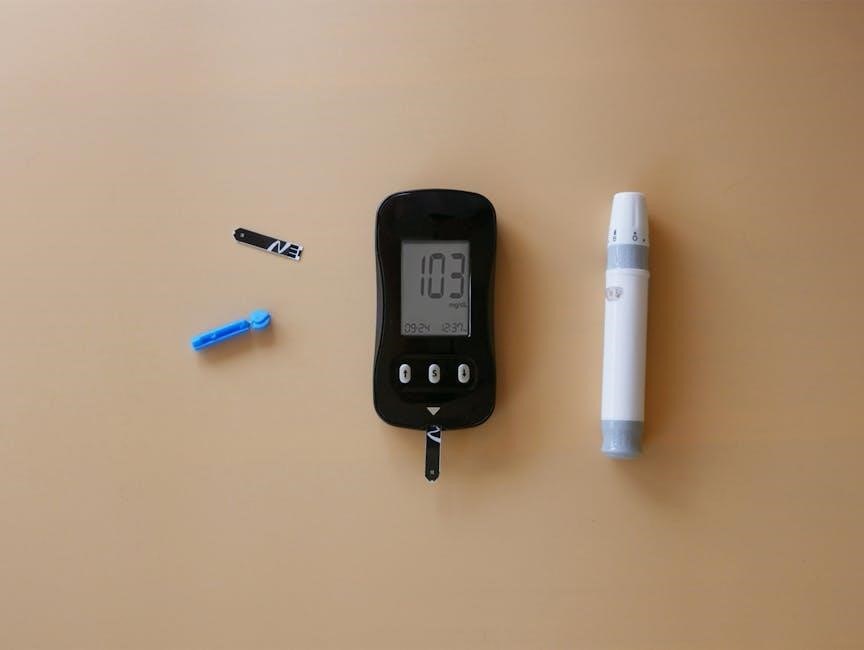
ReliOn monitor setup involves proper battery installation, selecting the correct cuff size for accurate readings, and configuring the date and time settings.
Battery Installation and Power Source
ReliOn blood pressure monitors typically require standard batteries for operation, though some models may include AC adapter options. Ensure correct battery polarity during installation, referencing the battery compartment diagram. Using fresh, high-quality batteries is crucial for accurate measurements and consistent performance.
Low battery indicators will appear on the display, signaling the need for replacement. Avoid mixing old and new batteries. The power source directly impacts the monitor’s functionality, so maintaining adequate battery power is essential for reliable blood pressure tracking. Always follow the manufacturer’s guidelines for battery type and replacement procedures.
Cuff Selection and Proper Fit
ReliOn monitors often include a standard cuff size, but additional sizes may be necessary for optimal accuracy. Measure your arm circumference to determine the correct cuff fit; an ill-fitting cuff can lead to inaccurate readings. The cuff should wrap snugly around your upper arm, approximately one inch above the elbow.
Ensure the artery marker on the cuff aligns with your brachial artery. Avoid applying the cuff over clothing, as this can distort measurements. A properly fitted cuff is fundamental for reliable blood pressure monitoring, ensuring consistent and dependable results each time you use the device.
Date and Time Setting
ReliOn blood pressure monitors require accurate date and time settings for proper data logging and recall of past measurements. Typically, a “Set” or “Mode” button initiates the setting process. Use the up and down arrow buttons to adjust the year, month, day, hour, and minute.
Confirm each setting by pressing the “Set” or “Mode” button again. Accurate time-stamping is crucial for tracking trends and sharing data with healthcare professionals. Refer to your specific model’s instructions, as button functions may vary slightly between ReliOn BP100, BP200, and BP300 models.

Taking Accurate Blood Pressure Measurements
ReliOn monitors demand proper positioning and avoiding stimulants for reliable readings. Follow step-by-step instructions carefully, minimizing movement and conversation during measurement.
Proper Positioning and Arm Placement
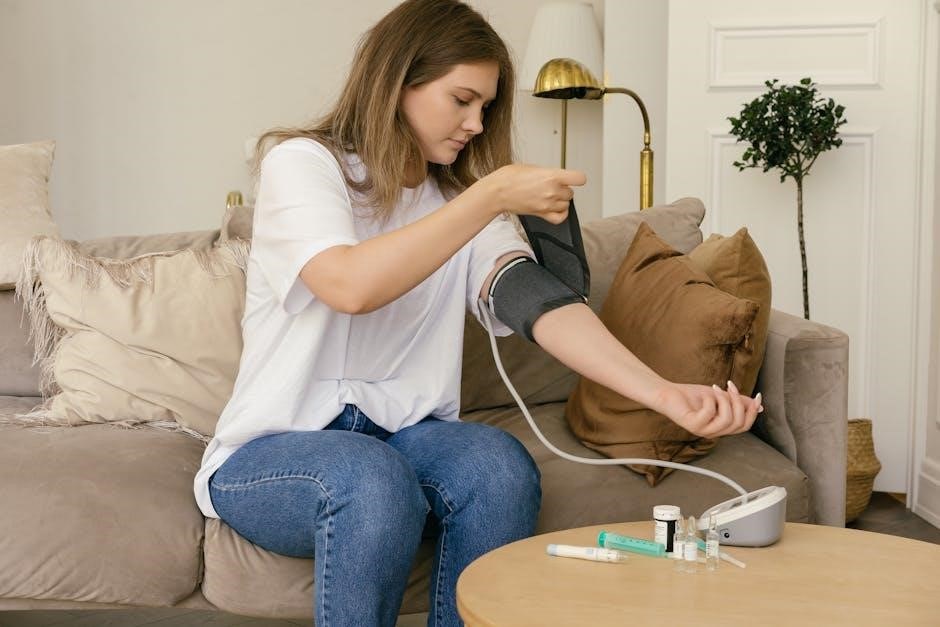
To ensure accurate readings with your ReliOn blood pressure monitor, proper positioning is crucial. Sit comfortably with your back supported and feet flat on the floor. Avoid crossing your legs. Your arm should be supported at heart level – typically on a table or armrest.
The cuff should be placed directly on your bare upper arm, approximately one inch above the bend of your elbow. Ensure the artery mark on the cuff aligns with your brachial artery. Avoid tight clothing that could constrict your arm. Maintaining these guidelines minimizes errors and provides reliable blood pressure data.
Avoiding Factors That Affect Readings
Several factors can influence the accuracy of your ReliOn blood pressure measurements. Avoid caffeine, alcohol, and tobacco for at least 30 minutes before testing. Exercise should be avoided for the same duration.
Empty your bladder before taking a reading, as a full bladder can elevate blood pressure. Allow five minutes of quiet rest before measurement. Talking during the process can also distort results. Be mindful of stress and anxiety, as these can temporarily raise your blood pressure. Consistent timing and a relaxed state are key.
The Measurement Process: Step-by-Step
Follow these steps for accurate readings with your ReliOn monitor: First, ensure you’re seated comfortably with your back supported and feet flat on the floor. Apply the cuff snugly to your upper arm, positioning it at heart level.
Press the ‘Start’ button and remain still and silent during inflation and deflation. Avoid moving or talking. The monitor will automatically inflate, then slowly release the pressure while displaying your results. Record the systolic and diastolic readings, along with your pulse rate. Repeat if desired, waiting a few minutes between measurements.

Understanding Your ReliOn Monitor’s Display
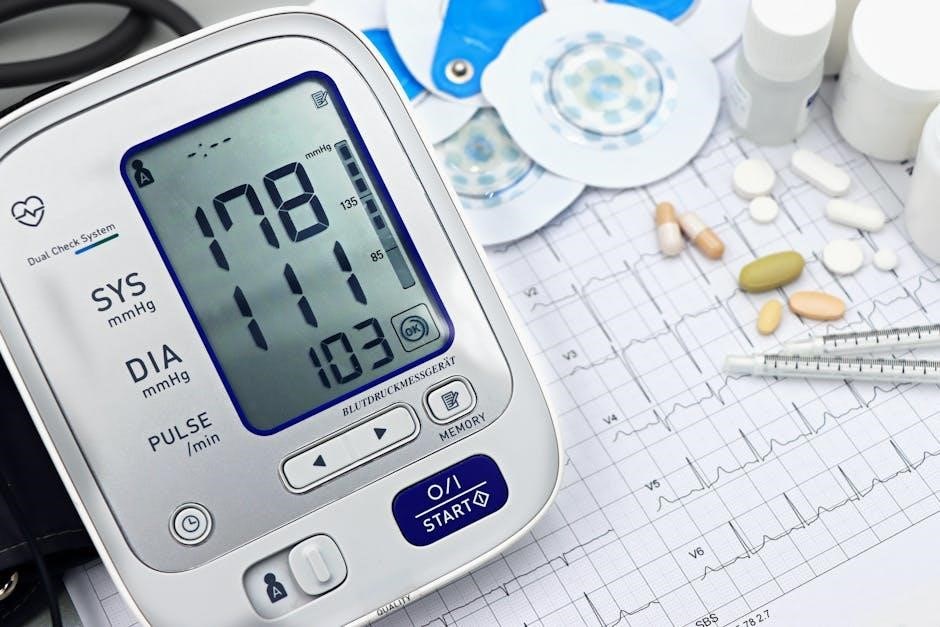
The display shows systolic, diastolic pressure, and pulse rate. Error messages indicate issues like cuff disconnection or movement during measurement, requiring troubleshooting.
Systolic and Diastolic Readings Explained
Systolic pressure, the top number, represents the force when your heart beats. Diastolic pressure, the bottom number, measures the force when your heart rests between beats.
Understanding these values is crucial for assessing cardiovascular health. Normal blood pressure generally falls below 120/80 mmHg. Elevated readings may indicate hypertension, requiring medical attention.
Consistent monitoring with your ReliOn monitor helps track changes and provides valuable data for healthcare professionals. Accurate readings depend on proper technique and cuff fit, as detailed in this manual. Regularly reviewing your measurements aids in proactive health management.
Pulse Rate Display
Your ReliOn blood pressure monitor also displays your pulse rate, measured in beats per minute (BPM). This reading indicates how many times your heart beats in one minute. A normal resting pulse rate typically ranges between 60 and 100 BPM, though this can vary based on fitness level and other factors.
Monitoring your pulse rate alongside blood pressure provides a more complete picture of your cardiovascular health. Significant deviations from your normal range should be discussed with your doctor. The pulse rate display offers an additional health metric for proactive wellness tracking.
Error Messages and Troubleshooting
ReliOn monitors may display error codes indicating issues during measurement. Common errors include “Err” or specific numerical codes. These often signal cuff problems – incorrect placement, leaks, or excessive pressure. If the monitor doesn’t inflate, check battery installation and cuff connection.
Inconsistent readings can stem from movement or improper positioning. Refer to the manual for code definitions. If errors persist, replace batteries or contact ReliOn customer support. Avoid self-repair; improper handling could damage the device and affect accuracy.
Specific ReliOn Monitor Models
ReliOn offers various models, including the BP100, BP200 (HEM741CRELN4), and BP300, each with unique features and specific instructions for optimal blood pressure monitoring.
ReliOn BP100: Features and Usage
The ReliOn BP100 is an upper arm automatic blood pressure monitor designed for home use. It’s a straightforward device, often found at Walmart, and is known for its affordability. Key features include a digital display showing systolic and diastolic pressure, plus pulse rate.
To use, ensure the correct cuff size is fitted snugly to your upper arm. Press the start button, and remain still during the inflation and deflation process. The BP100 typically stores a limited number of readings. Regularly check battery levels for accurate performance; It’s a reliable entry-level option for basic blood pressure tracking.
ReliOn BP200 (HEM741CRELN4): Detailed Overview
The ReliOn BP200, also known as model HEM741CRELN4, is a popular automatic blood pressure monitor. Consumer Reports has tested this model as part of their blood pressure monitor program. It features a digital display showing systolic, diastolic readings, and pulse rate.
This model typically offers memory storage for tracking readings over time, allowing users to monitor trends. Proper cuff placement on the upper arm is crucial for accuracy. The BP200 is generally battery-operated and designed for ease of use, making it suitable for home health monitoring.
ReliOn BP300: Model Specifics
The ReliOn BP300, identified by device model BP3NP1-3ERL, is an automatic blood pressure monitor manufactured by Walmart Apollo LLC. This model, like others in the ReliOn line, focuses on providing accessible home health monitoring. It utilizes oscillometric technology for inflation and measurement.
Specific features may include a wider cuff option for larger arms and enhanced memory capacity for storing readings. Users should consult the included manual for detailed instructions on operation and interpreting results. Proper cuff fit and positioning are vital for obtaining accurate blood pressure measurements with the BP300.
Memory and Data Management
ReliOn monitors store past readings for tracking trends. Users can recall measurements and utilize averaging functions to gain insights into their blood pressure over time.
Storing Blood Pressure Readings
ReliOn blood pressure monitors are equipped with internal memory to automatically store your readings for future reference. The capacity varies depending on the specific model – some, like the BP200, offer substantial storage. This allows you to track your blood pressure over days, weeks, or even months, providing valuable data for you and your healthcare provider. The stored data typically includes the systolic and diastolic pressure, pulse rate, and the date and time of the measurement. Regularly reviewing these stored readings can help identify patterns and potential concerns, aiding in effective blood pressure management. Ensure you understand your model’s memory capacity for optimal tracking.
Recalling Past Measurements
ReliOn monitors allow easy access to previously recorded blood pressure readings. Typically, a “Memory Recall” button initiates the process, displaying stored values sequentially on the monitor’s screen. You can often cycle through the readings using the same button or dedicated arrow keys. The display usually shows the date, time, systolic, diastolic pressure, and pulse rate for each recorded measurement. Refer to your specific model’s manual for precise instructions, as button functions can vary. Regularly recalling and reviewing your history empowers you to monitor trends and share crucial data with your physician.
Averaging Functionality
Many ReliOn blood pressure monitors feature an averaging function, providing a more comprehensive view of your blood pressure control. After taking multiple measurements – often three within a specified timeframe – the monitor automatically calculates the average systolic and diastolic readings. This feature minimizes the impact of isolated fluctuations, offering a more representative value. Consult your specific model’s manual to activate and understand this function. Averaged readings are particularly useful for tracking long-term trends and providing your healthcare provider with a more reliable assessment of your cardiovascular health.

Troubleshooting Common Issues
ReliOn monitors may display errors or provide inconsistent readings. Common problems include inflation failures, inaccurate results, and error codes requiring manual review.
Monitor Not Inflating
If your ReliOn monitor fails to inflate, first ensure the cuff is correctly connected and positioned, avoiding overly tight wrapping. Check battery levels and replace if low, as insufficient power prevents operation. Verify the air hose isn’t kinked or damaged, obstructing airflow. A loose connection at the monitor or cuff can also cause this issue.
Sometimes, restarting the device resolves temporary glitches. If the problem persists, inspect the cuff for leaks. Ensure the power adapter (if used) is securely plugged in. If none of these steps work, contact ReliOn customer support for further assistance, potentially indicating a device malfunction.
Inconsistent Readings
Experiencing inconsistent readings with your ReliOn monitor? Several factors can contribute. Ensure proper positioning – seated, feet flat, relaxed arm at heart level. Avoid caffeine, exercise, and smoking for 30 minutes before measurement. White coat syndrome, or anxiety, can elevate readings; try taking multiple measurements at intervals.
Verify the correct cuff size is used; an ill-fitting cuff yields inaccurate results. Movement during measurement significantly impacts accuracy. If inconsistencies persist, compare readings with a manual blood pressure check or consult a healthcare professional to rule out underlying health concerns.
Error Codes and Their Meanings
ReliOn monitors utilize error codes to signal issues. An “Err” message often indicates a problem with the cuff connection or inflation. If the monitor displays an “E1” or similar code, check the tubing for kinks or leaks. “E2” might suggest excessively rapid heartbeat interference. A lack of signal, resulting in an error, could stem from improper arm positioning or movement during measurement.
Consult your specific model’s manual (BP100, BP200, BP300) for a complete list. If errors persist after troubleshooting, contact ReliOn customer support for assistance. Ignoring error codes can lead to inaccurate readings.
Cuff and Monitor Maintenance
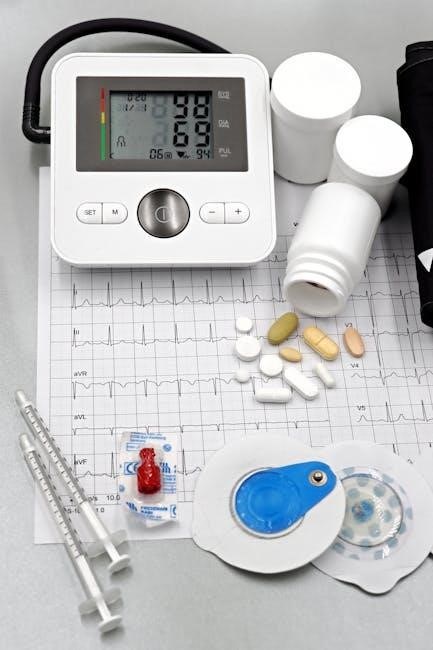
ReliOn monitors require gentle cleaning with a damp cloth; avoid harsh chemicals. Store the device and cuff properly to ensure longevity and accurate readings.
Cleaning the Cuff and Monitor
Regular cleaning is crucial for maintaining the accuracy and hygiene of your ReliOn blood pressure monitor. To clean the monitor itself, lightly dampen a soft cloth with water or a mild detergent. Avoid using strong solvents, alcohol, or abrasive cleaners, as these can damage the device. Gently wipe the exterior surfaces, ensuring no liquid enters the internal components.
For the cuff, detach it from the monitor if possible. Hand wash the cuff with cool water and a mild soap. Do not machine wash or dry the cuff. Rinse thoroughly to remove all soap residue and allow it to air dry completely before reattaching it to the monitor. Proper cleaning extends the lifespan and ensures reliable performance.
Storage Guidelines
Proper storage significantly impacts the longevity of your ReliOn blood pressure monitor. When not in use, store the monitor in a cool, dry place, away from direct sunlight and extreme temperatures. Avoid storing it in humid environments, as moisture can damage the internal components.
Keep the cuff loosely rolled and avoid bending it sharply to prevent cracking. Store the monitor and cuff together in a protective case, if available, to shield them from dust and physical damage. Remove the batteries if the monitor will be stored for an extended period to prevent corrosion.
Replacing Batteries
ReliOn monitors typically require standard AA or AAA batteries. When the low battery indicator appears on the display, promptly replace the batteries to ensure accurate readings. Open the battery compartment, usually located on the back or side of the monitor.
Insert new batteries, matching the polarity (+ and -) as indicated inside the compartment. Always replace all batteries at the same time, even if only one appears depleted. Dispose of old batteries responsibly, following local regulations. Incorrect battery installation can damage the monitor.

Comparing ReliOn to Other Brands (Omron)
ReliOn offers affordability, while Omron often features advanced technology and clinically validated accuracy. Price points differ, with ReliOn generally being more budget-friendly.
ReliOn vs. Omron: Accuracy and Features
ReliOn blood pressure monitors, particularly those sold at Walmart, provide a cost-effective entry point for home blood pressure monitoring. However, when compared to Omron, a leading brand, differences emerge in accuracy validation and feature sets. Omron models frequently undergo clinical validation, demonstrating a higher degree of proven accuracy.
Omron often includes features like Bluetooth connectivity for smartphone syncing, irregular heartbeat detection, and more advanced averaging algorithms. ReliOn monitors typically offer basic functionality – systolic/diastolic readings and pulse rate – without the extensive digital integration found in many Omron devices. Consumer Reports testing indicates varying performance across models, highlighting the importance of choosing a validated device.
Price Comparison
ReliOn blood pressure monitors are generally positioned as budget-friendly options, often significantly less expensive than comparable Omron models. For example, the ReliOn BP100 can be found for under $20, while Omron’s 7100 series typically retails for around $50-$80. Even the ReliOn BP200 (HEM741CRELN4) is competitively priced around $30-$40.
However, this price difference reflects the fewer features and potentially less rigorous clinical validation associated with ReliOn. While a ReliOn monitor offers an accessible starting point, investing in an Omron device may provide greater long-term value through enhanced accuracy and functionality.
Safety Precautions and Warnings
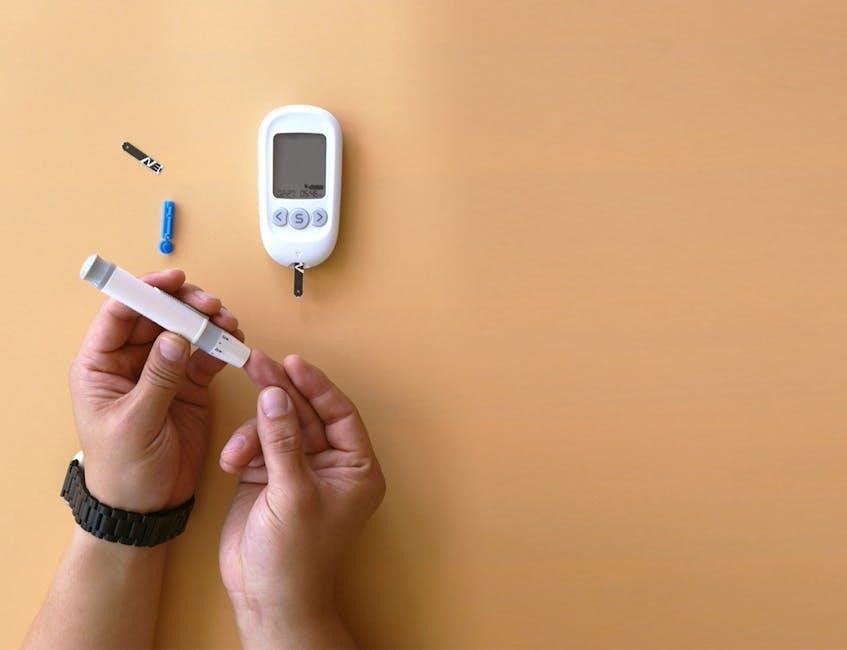
ReliOn monitors aren’t for individuals with certain conditions. Always consult your doctor before use, and heed warnings regarding cuff application and potential inaccuracies.
Contraindications for Use
ReliOn blood pressure monitors are not suitable for all individuals. Individuals with certain medical conditions should exercise caution or avoid self-monitoring. This includes those with severe arrhythmias, arterial sclerosis, or pre-existing vascular disease.
Pregnant women should consult their physician before use, as blood pressure changes during pregnancy require professional medical evaluation. Furthermore, individuals who have had a mastectomy or lymph node removal in the arm where the cuff will be applied should consult their doctor, as it may affect readings.
Do not use the monitor on infants or small children. Always prioritize professional medical advice for any health concerns.
Important Safety Information
ReliOn blood pressure monitors are designed for home use, but should not replace regular medical check-ups. Never self-treat based solely on readings from this device. Keep the monitor and cuff away from water and extreme temperatures.
Do not disassemble the monitor or attempt repairs yourself; this could lead to inaccurate readings or malfunction. Ensure the cuff is the correct size for your arm to avoid discomfort or inaccurate measurements. Avoid taking measurements on an arm with an IV line or arterial catheter.
Always consult your healthcare provider if you have concerns about your blood pressure.
Finding Additional Resources
ReliOn customer support and online manuals, including FAQs, are readily available. AccessGUDID provides device information, and Walmart Apollo LLC offers support.
ReliOn Customer Support Contact Information
ReliOn blood pressure monitors are primarily sold through Walmart. For direct assistance, contacting Walmart’s customer service is the first step. You can reach them through their website, Walmart.com, or by phone at 1-800-925-6278.
As ReliOn is a Walmart brand, specific dedicated support lines for the monitors themselves are limited. However, Walmart’s support team can assist with warranty claims, returns, and general product inquiries. For detailed product information and troubleshooting, referencing the online manual or FAQs on Walmart’s website is also recommended.
Additionally, the manufacturer, Walmart Apollo LLC, can be contacted for more technical details, though direct consumer support may be channeled through Walmart.
Online Manuals and FAQs
ReliOn blood pressure monitor manuals are readily available on the Walmart website, Walmart.com. Search for your specific model – such as BP100, BP200 (HEM741CRELN4), or BP300 – to locate the corresponding PDF manual. These manuals provide detailed instructions on setup, operation, and troubleshooting.
Frequently Asked Questions (FAQs) are also accessible on Walmart’s product pages for each ReliOn monitor. These FAQs address common user concerns, error codes, and maintenance tips.
While a dedicated ReliOn support website doesn’t exist, Walmart’s online resources offer comprehensive support for these monitors, ensuring users can easily find answers to their questions.