
pe civil transportation practice exam pdf
The PE Civil Transportation Exam assesses engineering competence in designing transportation systems. Practice exams, like the NCEES official version with 80 questions, help candidates master the format and content, ensuring readiness for the computer-based test.
1.1 Overview of the Exam
The PE Civil Transportation Exam is a comprehensive assessment evaluating engineers’ expertise in transportation engineering. It transitioned to a computer-based format in 2024, featuring 80 multiple-choice questions. Candidates have 8 hours to complete the exam, which covers topics like traffic engineering, geometric design, and pavement analysis. The exam requires applying theoretical knowledge to practical problems, ensuring competence in designing safe and efficient transportation systems. Reference materials, such as the NCEES Transportation Engineering Reference Handbook, are permitted. Practice exams, like the NCEES official version, provide candidates with a realistic experience, helping them familiarize themselves with the format and content. Preparation is critical to succeed in this challenging exam.
1.2 Importance of the Exam

The PE Civil Transportation Exam is crucial for engineers seeking licensure, validating their expertise in transportation engineering. Passing the exam demonstrates a high level of competence and commitment, essential for advancing careers. It opens opportunities for leadership roles and specialized projects, enhancing professional credibility. The exam ensures engineers are qualified to design safe and efficient transportation systems, contributing to public safety and infrastructure development. Preparation resources, like practice exams, are vital for success, as they familiarize candidates with the exam format and content. Earning the PE license through this exam signifies a professional milestone, enabling engineers to make significant impacts in their field.
Study Materials and Resources

Essential study materials include textbooks like PPI’s Transportation Depth Six-Minute Problems, online courses, and practice workbooks. These resources provide comprehensive coverage of exam topics and problem-solving techniques.
2.1 Recommended Textbooks
Key textbooks for PE Civil Transportation exam preparation include PPI’s Transportation Depth Six-Minute Problems, 7th Edition, featuring 91 practice problems aligned with exam topics. Another essential resource is the Civil PE Practice Exam ⎯ Transportation Depth, offering 160 CBT-style questions. These textbooks provide in-depth coverage of transportation engineering concepts, geometric design, and traffic analysis. They are designed to simulate real exam conditions, helping candidates familiarize themselves with question formats and time management. Additionally, the PE Civil Transportation e-book Practice Exam includes 80 questions with solutions, mirroring the computer-based test format. These textbooks are invaluable for targeted study and effective problem-solving practice.
2.2 Online Courses and Tutorials
Online courses and tutorials are essential for comprehensive preparation. Platforms like PPI offer structured learning paths, combining video lectures with practice problems. These courses cover transportation depth topics, such as geometric design and traffic engineering. They provide personalized study plans, helping candidates track progress. Additionally, NCEES offers webinars and guides to familiarize candidates with the exam format; Online forums and communities, like Reddit’s r/PE_Exam, share valuable insights and resources. These tools enable candidates to engage with interactive content, reinforcing concepts and problem-solving skills. By leveraging these resources, candidates can build a strong foundation and stay updated on exam changes, ensuring they are well-prepared for the PE Civil Transportation exam.
2.3 Practice Problems and Workbooks
Practice problems and workbooks are indispensable for mastering the PE Civil Transportation exam. Resources like the PPI Transportation Depth Six-Minute Problems and Civil PE Practice Exam provide extensive question banks. These materials include multiple-choice questions, detailed solutions, and focused exercises on specific topics. Workbooks like the PPI Transportation Depth Six-Minute Problems, 7th Edition, offer 91 practice problems across 10 chapters, mirroring the exam’s content. Additionally, the Civil PE Practice Exam includes 160 CBT questions, ensuring familiarity with the exam format. These resources help candidates improve problem-solving skills, understand exam timing, and build confidence. Regular practice with these materials is crucial for achieving success on the PE Civil Transportation exam.

Exam Format and Content
The PE Civil Transportation exam is computer-based, featuring 80 questions, including multiple-choice, fill-in-the-blank, and drag-and-drop formats. Reference materials are allowed, and practice exams mirror the actual test structure.
3.1 Question Types and Formats
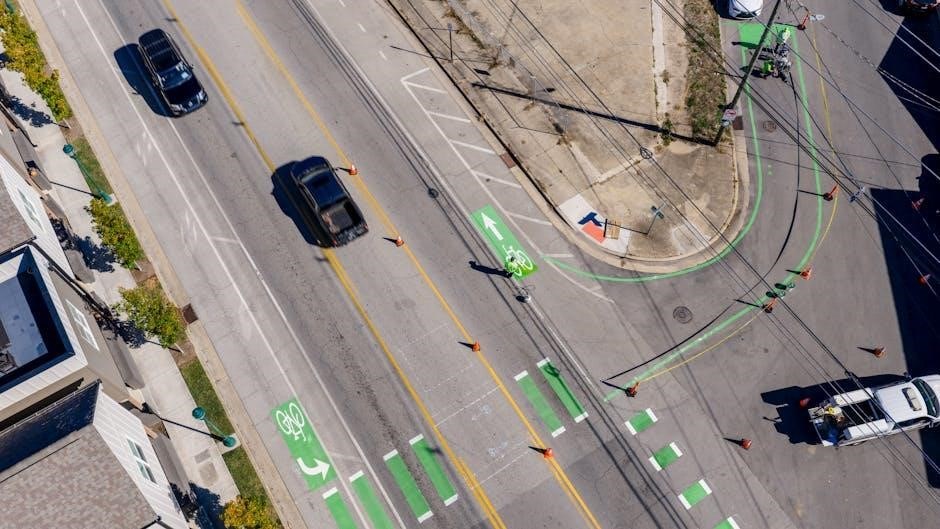
The PE Civil Transportation exam includes multiple-choice questions, fill-in-the-blank, and drag-and-drop formats. Multiple-choice questions test knowledge across various topics, while fill-in-the-blank assesses calculation skills. Drag-and-drop questions evaluate problem-solving abilities by requiring candidates to organize or match information. Practice exams, such as the NCEES official version, provide exposure to these formats, ensuring familiarity. The variety of question types demands a comprehensive understanding of transportation engineering principles, from geometric design to traffic analysis. Effective time management is crucial, as each question type requires different problem-solving strategies. Utilizing practice exams helps candidates adapt to the exam’s structure and improve their performance under timed conditions.

3.2 Time Management Strategies
Effective time management is critical for success on the PE Civil Transportation exam. Allocate time wisely, aiming to spend about 1-2 minutes per question. Practice exams, such as the NCEES official version with 80 questions, help candidates simulate real test conditions. Prioritize questions based on difficulty, tackling easier ones first to secure initial points. Use the remaining time to address challenging problems. Regular practice with timed sessions improves speed and accuracy. Reviewing solutions post-practice helps identify areas for improvement. Balancing problem-solving with time efficiency ensures candidates can attempt all questions, maximizing their score. Proper planning and consistent practice are key to mastering time management during the exam.
3.3 Reference Materials Allowed
During the PE Civil Transportation exam, candidates are permitted to use specific reference materials to aid problem-solving. The primary resource is the NCEES PE Civil Reference Handbook, which contains essential equations, formulas, and charts. Additionally, the AASHTO Green Book and MUTCD are allowed for transportation-specific questions. These materials are pre-approved and must be in electronic format for computer-based testing. Familiarizing oneself with these resources is crucial, as they are integral to solving complex problems efficiently. Practice exams, such as the NCEES official version, often include questions that require referencing these materials, helping candidates adapt to their use under timed conditions. Proper utilization of these resources can significantly enhance problem-solving accuracy and speed during the exam.

Practice Exams and Simulators
Utilize the NCEES official practice exam with 80 questions and solutions to familiarize yourself with the exam format. PPI’s Transportation Depth Six-Minute Problems and other simulators provide additional practice, ensuring readiness for the computer-based test.
4.1 NCEES Official Practice Exam
The NCEES Official Practice Exam for the PE Civil Transportation exam is a crucial resource, featuring 80 questions with detailed solutions. It mirrors the actual exam format, including alternative question types like fill-in-the-blank and drag-and-drop. This tool helps candidates understand the exam structure, timing, and content, ensuring they are well-prepared for the computer-based test. By solving these problems, engineers can identify knowledge gaps and refine their problem-solving skills. The practice exam aligns with the latest exam specifications, making it an essential study aid for those aiming to pass the PE Civil Transportation exam. Regular practice with this resource enhances familiarity with the exam environment and boosts confidence.
4.2 PPI Transportation Depth Problems
The PPI Transportation Depth Six-Minute Problems for the PE Civil Exam, 7th Edition, is a valuable resource containing 91 practice problems. These problems are organized into 10 chapters, each corresponding to a specific topic on the PE Civil Transportation exam. Designed to simulate real exam conditions, they help candidates improve time management and problem-solving skills. The questions cover a wide range of topics, ensuring comprehensive preparation; This workbook is particularly useful for those seeking targeted practice in the transportation depth section. By solving these problems, engineers can gain confidence and familiarity with the exam format, making it an essential tool for successful preparation.

4.3 Other Practice Exam Simulators
Beyond the NCEES and PPI resources, other practice exam simulators are available to aid preparation for the PE Civil Transportation exam. These include the Civil PE Practice Exam with 160 CBT questions, designed to mirror the actual exam format. Additionally, a 300-question test bank covers all 10 content areas, providing detailed solutions. Free PDF samples, such as the one by Omid M. Rouhani, offer a glimpse into exam-style questions. These simulators are crucial for familiarizing oneself with the computer-based testing environment and improving time management. They also include alternative question types like fill-in-the-blank and drag-and-drop, reflecting recent exam updates. Utilizing these tools enhances problem-solving skills and builds confidence for the actual exam.
Key Topics to Focus On
Mastering the transportation depth section, traffic engineering fundamentals, geometric design principles, pavement design, and transportation planning concepts is essential for success on the PE Civil Transportation exam.
- Transportation Depth Section
- Traffic Engineering Fundamentals
- Geometric Design Principles
- Pavement Design and Analysis
- Transportation Planning Concepts
5.1 Transportation Depth Section
The Transportation Depth Section is a critical component of the PE Civil Exam, focusing on advanced engineering concepts and practical applications. It covers topics such as project development, traffic analysis, and geometric design. Practice exams, like the PPI Transportation Depth Six-Minute Problems, provide 91 practice questions across 10 chapters, mirroring the exam’s structure. Additionally, the NCEES official practice exam includes 80 questions with solutions, familiarizing candidates with the computer-based format. Mastering this section requires a deep understanding of transportation engineering principles and the ability to apply them to real-world scenarios. Regular practice with relevant materials ensures readiness for the exam’s challenges.

5.2 Traffic Engineering Fundamentals
Traffic engineering fundamentals are essential for designing efficient transportation systems. Key topics include traffic flow theory, signal design, and capacity analysis. Practice exams, such as the PPI Transportation Depth Six-Minute Problems, provide 91 questions covering these areas. The NCEES official practice exam offers 80 questions with solutions, familiarizing candidates with computer-based testing. These resources emphasize understanding traffic volume, level of service, and intersection design. Mastery of these concepts ensures engineers can apply theoretical knowledge to real-world challenges. Regular practice with relevant materials helps build problem-solving skills and exam readiness, focusing on practical applications of traffic engineering principles.
5.3 Geometric Design Principles
Geometric design principles are crucial for creating safe and efficient transportation infrastructure. These principles guide the design of roadways, including alignment, cross-sections, and intersections. Practice exams, such as the PPI Transportation Depth Six-Minute Problems, include questions on these topics, helping engineers apply theoretical knowledge. Key elements include horizontal and vertical alignment, cross-sectional design, and intersection geometry. Understanding these principles ensures roads are functional, safe, and meet user needs. Regular practice with exam-style questions, like those in the NCEES official practice exam, reinforces these concepts, preparing engineers to design transportation systems effectively. Mastery of geometric design is vital for passing the PE Civil Transportation Exam and advancing in the field.
5.4 Pavement Design and Analysis
Pavement design and analysis are critical for ensuring long-lasting and durable roadways. Engineers must consider factors like traffic loads, material properties, and environmental conditions. Practice exams, such as the PPI Transportation Depth Six-Minute Problems, include questions on pavement design methodologies. Key topics include structural analysis, material selection, and drainage considerations. The AASHTO mechanistic-empirical pavement design guide is a key reference. Regular practice with exam-style problems, like those in the NCEES official practice exam, helps engineers master these concepts. Understanding pavement design ensures roads are safe, cost-effective, and meet user demands. Proficiency in this area is essential for success on the PE Civil Transportation Exam and real-world engineering applications.
5.5 Transportation Planning Concepts
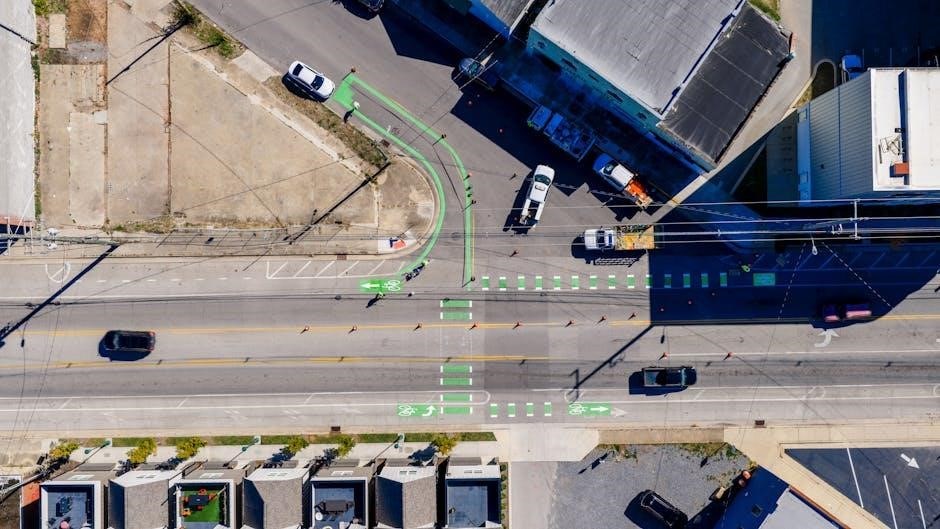
Transportation planning is a critical component of the PE Civil Transportation Exam, focusing on understanding travel demand, network analysis, and system optimization. Practice exams, such as the PPI Transportation Depth Six-Minute Problems, include questions on forecasting future travel patterns and evaluating transportation policies. Key concepts include trip generation, distribution, and mode choice, as well as the integration of land use and transportation planning. Engineers must also consider environmental and social impacts when designing transportation systems. Regular practice with exam-style problems, like those in the NCEES official practice exam, helps reinforce these concepts. Mastery of transportation planning ensures efficient and sustainable solutions for urban and regional mobility challenges.
Preparation Strategies
Effective preparation involves creating a study schedule, understanding the exam format, and practicing problem-solving techniques. Utilize resources like PPI’s Six-Minute Problems and NCEES practice exams for success.
6.1 Creating a Study Schedule
A well-structured study schedule is crucial for success in the PE Civil Transportation exam. Allocate specific time slots for each topic, ensuring balanced coverage of all sections. Start with foundational concepts like traffic engineering and geometric design, then progress to advanced topics such as pavement design and transportation planning. Incorporate regular practice sessions using resources like PPI’s Transportation Depth Six-Minute Problems and NCEES official practice exams. Set milestones to track progress and adjust the schedule as needed. Consistency is key; dedicate a minimum of 3-4 months to intensive preparation. Utilize tools like the PPI Learning Path Calendar to stay organized and focused throughout your study journey.
6.2 Understanding the Exam Format
The PE Civil Transportation exam is now fully computer-based, featuring 80 questions to be completed within 8 hours. Familiarize yourself with the format by reviewing practice exams, such as the NCEES official version, which includes multiple-choice questions, fill-in-the-blank, and drag-and-drop tasks. Understanding the exam structure helps reduce anxiety and improves time management. Practice exams also introduce you to the interface and question types, ensuring you navigate the test confidently. Regularly reviewing the exam format through sample questions and simulators, like PPI’s Transportation Depth Problems, enhances your preparedness and reduces stress on exam day. This knowledge is key to optimizing your performance and staying focused during the test.
6.3 Effective Problem-Solving Techniques
Mastering problem-solving techniques is crucial for success on the PE Civil Transportation exam. Start by skimming questions to identify key concepts and formulas needed. Practice applying the six-minute problem-solving method from resources like PPI’s Transportation Depth Problems. Focus on understanding the exam’s question types, such as multiple-choice, fill-in-the-blank, and drag-and-drop, as seen in the NCEES practice exam. Time management is critical; allocate 6 minutes per question to ensure thorough attempts. Use reference materials wisely, highlighting and tabbing key sections for quick access. Regularly review mistakes to avoid repeating them. By refining these strategies through practice exams, you’ll build confidence and accuracy, ensuring optimal performance on exam day.
Additional Resources
Utilize PPI and NCEES resources for comprehensive exam preparation. Online forums like Reddit offer valuable insights and community support to aid in mastering the PE Civil Transportation exam effectively.
7.1 Forums and Online Communities
Forums and online communities, such as Reddit’s r/PE_Exam, provide invaluable support for candidates preparing for the PE Civil Transportation exam. These platforms allow engineers to share resources, discuss challenges, and exchange study materials. Many users post reviews of practice exams, such as the PPI Transportation Depth Six-Minute Problems and the NCEES Official Practice Exam, offering insights into their effectiveness. Additionally, community members often share tips for tackling specific question types and strategies for managing exam stress. Engaging with these forums can help candidates stay motivated and gain access to supplementary study aids, including PDF samples of practice exams and detailed solutions. Such collaborative environments are essential for a well-rounded preparation strategy.
7.2 Reference Handbooks and Guides
Reference handbooks and guides are indispensable tools for preparing for the PE Civil Transportation exam. The NCEES PE Civil Reference Handbook is a primary resource, providing detailed formulas, charts, and standards necessary for solving exam problems. Additionally, the PPI Transportation Depth Six-Minute Problems handbook offers targeted practice questions aligned with exam topics. These guides complement practice exams by offering in-depth explanations and ensuring familiarity with key concepts. They cover essential areas such as traffic engineering, geometric design, and pavement analysis. By leveraging these resources, candidates can enhance their understanding of exam content and improve problem-solving efficiency. These handbooks are often used alongside practice exams to create a comprehensive study regimen.
7.3 Exam Preparation Guides
Exam preparation guides are tailored resources designed to help candidates systematically prepare for the PE Civil Transportation exam. These guides often include study schedules, problem-solving techniques, and strategies for mastering exam content. The NCEES PE Civil Reference Handbook and PPI Transportation Depth Six-Minute Problems are widely recommended. Additionally, resources like the Civil PE Practice Exam ⎯ Transportation Depth provide 160 CBT-style questions to simulate real exam conditions; These guides emphasize understanding key topics, such as traffic engineering and geometric design, while offering practical tips for time management and reducing exam-day anxiety. By following these guides, candidates can build confidence and improve their readiness for the exam.