
bike measurement guide
Bike Measurement Guide ー 2026
Navigating the world of bicycles requires understanding proper sizing, ensuring comfort and efficiency․ This comprehensive 2026 guide provides essential charts and measurement techniques
for optimal bike fit, covering various bike types and rider profiles․
Embarking on the cycling journey begins with selecting the correct bike size, a crucial step often overlooked․ Proper bike sizing isn’t merely about comfort; it directly impacts performance, efficiency, and injury prevention․ A well-fitted bike allows for optimal power transfer, reducing strain on joints and muscles, ultimately enhancing your riding experience․
This guide serves as your starting point, offering a detailed exploration of bike sizing principles․ We’ll delve into the key measurements – height and inseam – and how they translate into appropriate frame sizes for different bicycle types․ Remember, sizing charts are excellent starting points, but individual variations and riding styles necessitate further consideration․
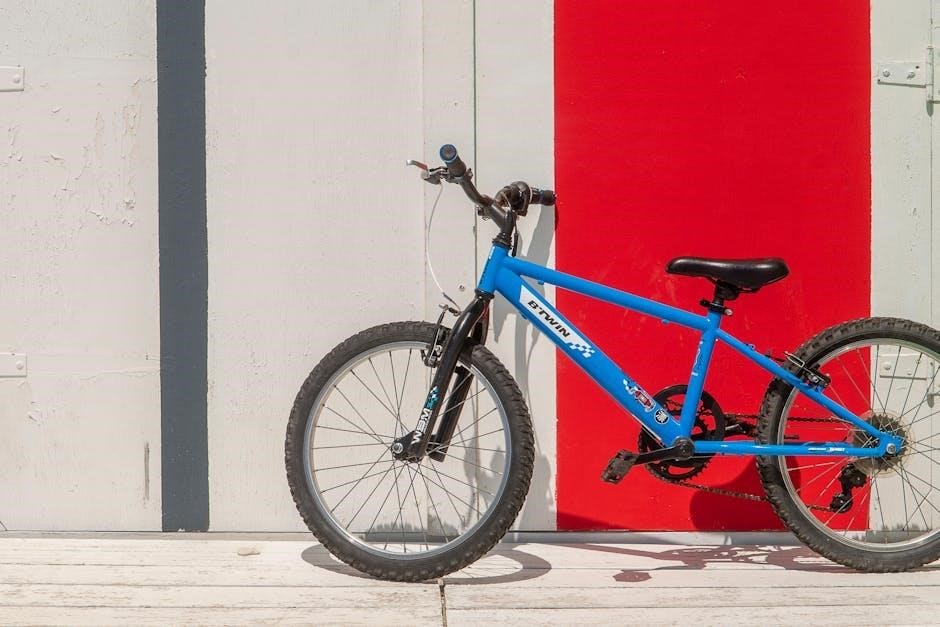
Manufacturers employ diverse sizing systems, utilizing centimeters or letter-based designations․ Therefore, consulting brand-specific charts is paramount․ This guide will equip you with the knowledge to confidently navigate these complexities and find a bike that truly fits, maximizing your enjoyment on two wheels․
Why Accurate Bike Measurement Matters

Inaccurate bike sizing can lead to a cascade of issues, significantly diminishing your cycling experience․ Riding a bike that’s too large or too small forces your body into unnatural positions, causing discomfort, fatigue, and potentially long-term injuries․ Common problems include knee pain, back pain, and numbness in the hands and feet․
A correctly sized bike, however, promotes efficient pedaling, allowing you to generate more power with less effort․ It enhances control and stability, particularly on challenging terrain․ Proper fit also minimizes the risk of overuse injuries, enabling you to ride longer and more comfortably․
Beyond physical well-being, accurate measurement impacts enjoyment․ A comfortable ride is a happy ride! Investing time in precise sizing ensures a harmonious connection between rider and machine, transforming each outing into a pleasurable and rewarding experience․ Don’t compromise on fit – your body will thank you․

Understanding Bike Size Charts
Bike size charts serve as a crucial starting point, but they aren’t absolute․ These charts typically correlate height and inseam measurements to suggested frame sizes․ However, variations exist between manufacturers, and individual body proportions play a significant role․ Road bikes often use centimeter sizing, while others employ letter-based systems (S, M, L, XL)․
It’s vital to remember that charts provide approximations․ Factors like arm length (Ape Index), flexibility, and riding style influence the ideal fit․ A chart might suggest a 54cm frame, but a professional bike fit could reveal a 56cm frame is more suitable․
Always consult the specific brand’s size chart, as sizing philosophies differ․ Use multiple charts as a cross-reference․ Consider the bike’s geometry – a more aggressive geometry might require a smaller frame size․ Charts are guides, not gospel; prioritize a comfortable and efficient riding position․

Measuring Yourself for a Bike
Accurate self-measurement is paramount for selecting the correct bike size, focusing on height and inseam․ These two key measurements form the foundation for finding your ideal fit․
How to Measure Your Height
Measuring your height accurately is the first step in determining your ideal bike size․ Stand straight with your back against a wall, ensuring your feet are flat on the floor and shoulder-width apart․ It’s best to remove your shoes for the most precise measurement․
Use a measuring tape or ruler and mark the wall at the top of your head․ If you don’t have someone to assist, carefully position the tape measure and mark the spot yourself․ Then, measure the distance from the floor to the mark on the wall․
Ensure the tape measure is held taut and level․ Record your height in either inches or centimeters, depending on the bike size chart you are using․ Double-check your measurement to avoid errors, as even a small discrepancy can affect your bike size recommendation․ Accurate height measurement is crucial for a comfortable and efficient riding experience․
How to Measure Your Inseam
Your inseam, or inside leg length, is a critical measurement for bike sizing, often more important than height alone․ Wear cycling shorts and shoes (or shoes similar to those you’ll wear while riding) for an accurate reading․
Stand with your back against a wall, feet shoulder-width apart․ Place a book between your legs, pressing it firmly upwards as if you were sitting on a bike seat․ Ensure the book is level․
Measure the distance from the top of the book to the floor․ This measurement represents your inseam; It’s helpful to have someone assist you to ensure accuracy․ Record your inseam in inches or centimeters, aligning with the units used in the bike size charts․ Double-check the measurement for precision, as this directly impacts standover height and overall bike fit․
Calculating Your Ape Index
The Ape Index is a ratio comparing your arm length to your height, offering insights into your body proportions and influencing optimal riding posture․ It’s particularly useful for road bike sizing, helping determine reach and handlebar setup․
To calculate it, measure your arm span – the distance from the tips of your fingers on one hand to the tips of your fingers on the other, with arms extended horizontally․
Then, subtract your height from your arm span․ A positive number indicates a longer arm span, suggesting a more aggressive, aerodynamic riding position might be suitable․ A negative number suggests a shorter arm span, potentially favoring a more upright posture․ While not definitive, the Ape Index provides another data point for fine-tuning your bike fit and enhancing comfort and performance․

Bike Size Charts by Type
Different bicycle disciplines necessitate unique sizing approaches, reflecting variations in geometry and intended use․ Explore dedicated charts for road, mountain, hybrid, and other styles․
Road Bike Size Chart
Road bikes prioritize efficiency and speed, demanding a precise fit for optimal performance․ Sizing typically relies on either height or inseam measurements, though combining both provides the most accurate result․ Road bike frames are commonly measured in centimeters (cm), but some manufacturers utilize small, medium, large, and extra-large designations․
Road Bike Sizing Based on Height
Generally, riders can estimate their road bike size based on height․ However, this is a broad guideline, and individual proportions vary․ A taller rider will generally require a larger frame size to accommodate their longer limbs․
Road Bike Sizing Based on Inseam
Inseam measurement is crucial for determining standover height and ensuring proper leg extension․ Using your inseam, consult a road bike size chart to find the corresponding frame size․ Remember to account for shoe height when assessing standover clearance․ Always prioritize a comfortable and efficient riding position over strictly adhering to chart recommendations․
Utilizing height as a primary metric for road bike sizing offers a convenient starting point, though it’s less precise than inseam-based methods․ Generally, riders between 5’4” and 5’6” often fit a 49cm frame, while those between 5’6” and 5’8” typically require a 52cm size․ Individuals ranging from 5’8” to 5’10” usually find a 54cm frame suitable, and those between 5’10” and 6’0” often need a 56cm size․
For riders exceeding 6’0”, frame sizes generally increase to 58cm, 60cm, or even larger․ It’s vital to remember these are approximations․ Arm length and torso length significantly influence the ideal frame size․ A shorter torso may necessitate a smaller frame, even with greater height․ Always cross-reference with inseam measurements and consider a professional bike fit for optimal results․
Inseam measurement provides a more accurate foundation for road bike sizing than height alone․ Riders with an inseam between 28” and 30” generally fit a 52cm frame․ Those with a 30” to 32” inseam typically require a 54cm size, while an inseam of 32” to 34” often corresponds to a 56cm frame․
For inseams ranging from 34” to 36”, a 58cm frame is usually appropriate, and those exceeding 36” often need a 60cm or larger size․ Remember to measure inseam with shoes off, standing against a wall․ This method accounts for leg length, crucial for standover height and effective pedaling․ Always verify the manufacturer’s specific size chart, as variations exist․ Combining inseam with height and considering a professional bike fit ensures the most comfortable and efficient riding experience․
Mountain Bike Size Chart
Mountain bike sizing differs from road bikes, prioritizing standover clearance and maneuverability․ Generally, sizing is based on frame size – typically Small, Medium, Large, and Extra Large – rather than precise height measurements․ However, height and inseam still serve as excellent starting points․
Riders between 5’4” and 5’7” often fit a Small frame, while those between 5’7” and 5’10” usually require a Medium․ Individuals ranging from 5’10” to 6’0” typically need a Large, and those over 6’0” generally fit an Extra Large․ Inseam plays a vital role in confirming standover height; ensure adequate clearance for safe dismounting․ Always consult the specific brand’s chart, as sizing can vary․ Prioritizing a slightly smaller frame often enhances control on technical trails․
Mountain Bike Sizing Based on Height
Utilizing height as a primary indicator for mountain bike sizing offers a convenient starting point, though it’s not definitive․ Riders between 5’4” and 5’7” generally find a good fit with a Small frame mountain bike․ Those measuring 5’7” to 5’10” typically suit a Medium size, providing a balance of control and efficiency․
For individuals between 5’10” and 6’0”, a Large frame is often appropriate, offering stability on descents․ Riders exceeding 6’0” usually require an Extra Large frame for comfortable reach and control․ Remember, these are guidelines; leg length and torso proportions significantly influence optimal fit․ A slightly smaller frame can enhance maneuverability, while a larger frame provides stability at speed․ Always cross-reference with inseam measurements and brand-specific charts for accuracy․
Mountain Bike Sizing Based on Inseam
Inseam measurement is a crucial element in determining the correct mountain bike size, offering a more precise fit than height alone․ An inseam between 26” and 28” typically corresponds to a Small frame, ensuring sufficient standover clearance and comfortable pedaling․ Riders with a 28” to 30” inseam generally fit a Medium frame, balancing reach and control․
Those measuring 30” to 32” often find a Large frame ideal, providing stability and efficient power transfer․ An inseam exceeding 32” usually necessitates an Extra Large frame for optimal comfort and control․ Remember to wear cycling shoes during measurement for accuracy․ Consider the bike’s geometry; longer reach bikes may require a shorter seat tube, while shorter reach bikes may benefit from a longer one․ Always consult the manufacturer’s size chart for specific recommendations․
Hybrid Bike Size Chart
Hybrid bikes, designed for versatility, require a sizing approach that considers both comfort and efficiency․ Unlike aggressive road or mountain bike fits, hybrid sizing prioritizes an upright riding position․ Generally, riders between 5’0” and 5’4” will suit a Small frame, offering manageable reach and control․ Those ranging from 5’4” to 5’8” typically find a Medium frame provides a balanced fit․
Individuals between 5’8” and 6’0” usually fit a Large frame, ensuring comfortable extension without strain․ Riders exceeding 6’0” generally require an Extra Large frame for optimal leverage and stability․ Hybrid Bike Sizing Considerations: Pay attention to standover height and reach; a slightly smaller frame can enhance maneuverability, while a larger frame offers greater stability on longer rides․
Hybrid Bike Sizing Considerations
When selecting a hybrid bike, several factors beyond height and inseam influence the ideal fit․ Consider your riding style – more recreational riders may prefer a more upright position for comfort, while those commuting longer distances might benefit from a slightly more forward lean for efficiency․ Standover height is crucial; ensure sufficient clearance (1-2 inches) between the top tube and your crotch when straddling the bike․
Reach, the distance to the handlebars, impacts comfort and control․ Adjust stem length and handlebar position to achieve a comfortable and natural riding posture․ Saddle height is also vital; your leg should be almost fully extended at the bottom of the pedal stroke․ Don’t hesitate to test ride different sizes and make adjustments to find the perfect balance between comfort, control, and efficiency․
E-Bike Size Chart
Sizing an e-bike requires careful consideration due to the added weight and unique geometry․ While standard height and inseam measurements are a starting point, the battery and motor placement can affect the overall fit and handling․ Generally, e-bikes tend to fit similarly to their traditional counterparts, but it’s crucial to test ride to account for the extra mass․
Pay attention to the bike’s center of gravity; a lower center of gravity enhances stability, especially at lower speeds․ Frame reach and standover height are particularly important, ensuring comfortable maneuverability․ Consider the e-bike’s intended use; a commuter e-bike might prioritize a more upright position, while an e-mountain bike will require a more aggressive stance․ Always consult the manufacturer’s specific size chart, as variations exist between brands․
Specifics of E-Bike Sizing
E-bikes introduce unique sizing nuances due to their integrated components․ The battery’s location, often downtube-mounted, can impact standover clearance, requiring a slightly larger frame size for comfortable dismounting․ Motor placement also influences weight distribution, potentially altering handling characteristics and necessitating adjustments to reach and stack․
Unlike traditional bikes, e-bikes often have less size variation within a model range․ Test rides are paramount, as the added weight and power demand a different feel․ Consider your riding style and terrain; more aggressive riders may prefer a smaller frame for enhanced control, while commuters might prioritize comfort with a more relaxed geometry․ Always prioritize a fit that allows for easy access to controls and a natural riding position, accounting for the e-bike’s specific features․
BMX Bike Size Chart
BMX bike sizing differs significantly from other bicycle types, prioritizing maneuverability and control over long-distance comfort․ Sizing is primarily determined by rider height and, crucially, skill level – beginner, intermediate, or expert․ Top tube length is the key measurement, influencing reach and responsiveness․
For beginners, a shorter top tube offers greater control and easier handling, while experienced riders often prefer a longer top tube for increased stability during jumps and tricks․ Wheel size (20-inch is standard) remains consistent, but frame geometry varies․ Consider your intended riding discipline – park, street, or dirt – as this impacts optimal bike size․ A properly sized BMX bike allows for quick, precise movements, essential for performing technical maneuvers․ Prioritize a fit that feels comfortable and allows for confident bike handling․

BMX Bike Sizing for Different Skill Levels
Beginner BMX riders generally benefit from smaller frames (18-20 inch), offering increased control and easier maneuverability while learning fundamental skills․ These sizes promote a more upright riding position, enhancing confidence and reducing the risk of overextension during falls․ Intermediate riders (around 5’3” to 5’8”) typically transition to 20-21 inch frames, balancing control with increased stability for more complex tricks․
Expert riders, often exceeding 5’8”, frequently opt for 21-22 inch frames or larger, prioritizing stability at higher speeds and during advanced maneuvers․ A longer wheelbase provides greater control during jumps and landings․ Top tube length is crucial; shorter for tighter turns, longer for stability․ Consider your riding style – park, street, or flatland – as this influences the ideal frame geometry and size․ Proper fit is paramount for progression and injury prevention․
Kids’ Bike Size Chart
Selecting the right bike for a child prioritizes safety and enjoyment․ Unlike adult sizing based on inseam, kids’ bikes are often categorized by wheel diameter and approximate age/height ranges․ A 12-inch bike typically suits children aged 2-4 years (height 31-40 inches), focusing on balance and initial pedaling skills․ 16-inch bikes are ideal for 4-6 year olds (height 39-46 inches), offering increased stability and control․
As children grow, 20-inch bikes accommodate ages 6-9 (height 45-52 inches), introducing gears and more advanced features․ For older children aged 9-12 (height 51-58 inches), 24-inch bikes provide a smoother ride and prepare them for adult-sized frames․ Always prioritize a bike where the child can comfortably stand over the top tube with a few inches of clearance․ Proper fit fosters confidence and prevents frustration․
Kids’ Bike Sizing by Age and Height
Determining the correct kids’ bike size relies on a combination of age and height, but height is the more crucial factor․ Generally, a 2-4 year old (31-40 inches tall) will fit a 12-inch wheel bike, perfect for initial balance and coordination․ Children aged 4-6 (39-46 inches) typically transition to a 16-inch wheel bike, gaining more control and pedaling proficiency․
As kids grow, a height of 45-52 inches (6-9 years old) usually corresponds with a 20-inch wheel bike, often introducing gears․ For children 9-12 years old, standing 51-58 inches tall, a 24-inch wheel bike is generally appropriate, bridging the gap to adult sizes․ Remember these are guidelines; individual variations exist․ Ensure the child can comfortably reach the handlebars and pedals, and always prioritize a safe standover height․

Additional Sizing Considerations
Beyond basic measurements, factors like gender, brand variations, and standover height significantly impact bike fit․ Professional fittings and adjustments optimize comfort and performance․
Gender-Specific Bike Sizing
Historically, bike sizing often followed gendered norms, with different geometries for men’s and women’s bikes․ However, modern approaches increasingly emphasize individual anatomy rather than strict gender categorization․ Traditionally, women’s bikes featured lower top tubes and narrower handlebars to accommodate typically shorter torsos and narrower shoulders․
While these differences can be helpful for some, many riders now prefer unisex frames, selecting components – like stem length, handlebar width, and saddle – to achieve a personalized fit․ It’s crucial to prioritize comfort and efficiency over adhering to outdated gender-specific sizing charts․
Consider your individual proportions: torso length, arm reach, and flexibility․ A professional bike fit is invaluable for determining the optimal frame size and component choices, regardless of gender․ Don’t hesitate to try bikes marketed for either gender to find the best match for your body․
Brand-Specific Size Charts
While general bike size charts offer a valuable starting point, it’s absolutely critical to consult the specific sizing chart provided by the bike manufacturer․ Bike sizing isn’t standardized across the industry; each brand often employs unique geometries and sizing philosophies․
A Trek bike in a size 56 may fit differently than a Specialized or Cannondale in the same size․ Variations stem from differing tube shapes, stack and reach measurements, and intended riding styles․ Always prioritize the manufacturer’s recommendations over generalized charts․
Most brands provide detailed size charts on their websites, often allowing you to input your height and inseam to receive a recommended frame size․ Some even offer interactive fit tools․ Remember to cross-reference this information with a professional bike fit for the most accurate assessment․ Ignoring brand-specific sizing can lead to an ill-fitting bike and a less enjoyable riding experience․
Standover Height and Its Importance
Standover height is a crucial measurement determining the clearance between the top tube of the bike and your crotch when standing over the frame․ Proper standover height ensures safety and control, preventing accidental contact with the top tube during dismounts or sudden stops․

Traditionally, a minimum of 1-2 inches of clearance was recommended, but modern bike geometries often allow for less․ Mountain bikes generally require more standover height due to rough terrain and more dynamic movements․ To measure, stand with your feet flat on the ground and straddle the bike’s top tube․
Insufficient standover height can lead to discomfort and potential injury, while excessive height can hinder handling․ It’s a key factor, alongside inseam and frame size, in achieving a comfortable and confident riding position․ Always verify standover height before purchasing a bike, especially for off-road disciplines․
Frame Size in Centimeters vs․ Letter Sizing
Bike frame sizes are expressed in two primary systems: centimeters (cm) and letter sizing (XS, S, M, L, XL)․ Centimeter measurements represent the seat tube length, from the center of the bottom bracket to the top of the seat tube․ This is common for road bikes and provides a precise indication of frame size․
Letter sizing, however, is more generalized and varies between manufacturers․ A “Medium” frame from one brand might differ slightly from a “Medium” from another․ This system aims for broader categorization, making it easier for consumers to understand, but can be less precise․
Always consult the specific brand’s size chart when purchasing a bike, as sizing conventions aren’t universal․ Don’t assume a “Large” will fit the same across all brands․ Understanding both systems and referencing the manufacturer’s guidelines is crucial for selecting the correct frame size for optimal comfort and performance․
Professional Bike Fitting Services
While self-measurement guides are helpful, a professional bike fit offers a significantly more refined approach to achieving optimal comfort and performance․ Certified bike fitters utilize advanced tools and techniques to analyze your body geometry, riding style, and flexibility․

These services go beyond basic height and inseam measurements, assessing factors like foot structure, knee alignment, and torso length․ Fitters then adjust bike components – saddle height, handlebar reach, and cleat position – to maximize efficiency and minimize the risk of injury․
Investing in a professional bike fit is particularly beneficial for serious cyclists, those experiencing discomfort, or individuals new to cycling․ Experts at retailers like Trek offer consultations․ A proper fit can dramatically improve your riding experience, preventing pain and enhancing power transfer․
Adjusting Your Bike for Optimal Fit
Even with accurate sizing, minor adjustments are often necessary to fine-tune your bike’s fit․ Start with saddle height – a slight bend in your knee when the pedal is at its lowest point is ideal․ Fore/aft saddle position impacts knee alignment over the pedal spindle; adjust for comfort and efficiency․
Handlebar height and reach influence your posture and control․ Raising handlebars can alleviate back pain, while adjusting reach affects weight distribution․ Stem length and handlebar angle are key adjustment points․ Ensure comfortable braking and shifting access․
Cleat position (for clipless pedals) significantly impacts pedaling efficiency and knee health․ Small adjustments can make a big difference․ Regularly review these settings as your flexibility and riding style evolve․ Don’t hesitate to seek guidance from a local bike shop for assistance․