
invisalign instructions pdf
Invisalign Instructions PDF: A Comprehensive Guide
Invisalign treatment planning relies heavily on digital tools‚ like ClinCheck‚ and detailed PDFs outlining each stage.
These guides assist orthodontists and patients through the process‚ from initial scans to retainer wear.
Comprehensive PDFs detail aligner stages‚ attachment placement‚ and potential issues‚ ensuring a successful outcome.
Understanding the Invisalign System
Invisalign represents a revolutionary approach to orthodontic treatment‚ moving away from traditional braces. The system utilizes a series of custom-made‚ clear aligners to gradually shift teeth into their desired positions. A crucial component of understanding this system is the Invisalign Instructions PDF‚ which serves as a detailed roadmap for both the orthodontist and the patient.
These PDFs aren’t simply manuals; they are dynamic documents evolving through the ClinCheck process. Initially‚ the orthodontist receives a digital treatment plan (DTP) from Align Technology. However‚ as highlighted in studies of treatment planning protocols‚ orthodontists frequently modify these initial DTPs‚ adjusting prescriptions for aligners‚ composite resin (CR) attachments‚ and even planning for interproximal reduction (IPR).
The Invisalign Instructions PDF reflects these changes‚ providing a comprehensive visualization of the entire treatment arc. Resources like Dr. Barry Glaser’s “Insiders Guide to Invisalign Treatment” emphasize the importance of understanding these plans step-by-step‚ covering aspects from crowding and spacing to attachment strategies. Ultimately‚ the PDF is central to a successful Invisalign journey.
What is Invisalign and How Does it Work?
Invisalign is a modern orthodontic treatment utilizing clear‚ removable aligners to straighten teeth. Unlike traditional braces‚ Invisalign offers a discreet and comfortable alternative. The process begins with a comprehensive digital scan‚ forming the basis of a personalized treatment plan detailed within the Invisalign Instructions PDF.

This PDF outlines how a series of aligners‚ each slightly different‚ progressively shift teeth. The system’s effectiveness relies on consistent wear – typically 20-22 hours daily – as detailed in treatment guides. Orthodontists often adjust the initial digital treatment plan (DTP) provided by Align Technology‚ modifying aligner prescriptions and incorporating attachments and interproximal reduction (IPR)‚ all documented within the evolving PDF.
Resources like the “Insiders Guide to Invisalign Treatment” emphasize understanding the ClinCheck visualization within the PDF. This allows patients to preview the anticipated tooth movement. The Invisalign Instructions PDF‚ therefore‚ isn’t just a guide; it’s a dynamic record of a personalized orthodontic journey.
The Role of a ClinCheck Treatment Plan
The ClinCheck Treatment Plan is central to Invisalign therapy‚ and its detailed visualization is a core component of the Invisalign Instructions PDF. It’s a 3D simulation showcasing the planned tooth movements throughout the entire treatment duration. Orthodontists utilize ClinCheck to refine the initial digital plan‚ adjusting aligner prescriptions‚ attachment placement‚ and considering interproximal reduction (IPR) – all changes meticulously documented within the PDF.
The PDF serves as a roadmap‚ allowing both the orthodontist and patient to review and approve the proposed treatment before aligner fabrication. Exploratory surveys reveal orthodontists frequently modify the initial DTP‚ highlighting the ClinCheck’s iterative nature.

Guides like Dr. Barry Glaser’s “Insiders Guide” emphasize mastering ClinCheck navigation. Understanding crowding‚ spacing‚ and other factors visualized within the PDF is crucial. The ClinCheck‚ as presented in the Invisalign Instructions PDF‚ ensures a collaborative and predictable orthodontic experience.

Preparing for Your Invisalign Treatment
Invisalign Instructions PDFs detail the initial steps: consultations‚ records‚ and digital scans.
These records inform a personalized plan‚ documented for patient review and approval before treatment begins.
Initial Consultation and Records
Invisalign Instructions PDFs often begin by outlining the initial consultation process. This crucial first step involves a comprehensive evaluation of your dental health‚ including a discussion of your treatment goals and expectations. The PDF will detail the types of records needed to create your personalized treatment plan.
These records typically include a complete set of dental X-rays‚ photographs of your teeth and facial structure‚ and impressions of your teeth. Modern practices increasingly utilize digital impressions‚ offering greater comfort and accuracy. The Invisalign Instructions PDF will explain how these records are used to assess your bite‚ alignment‚ and overall dental condition.
Understanding the importance of accurate records is key to a successful treatment. The PDF may also cover preliminary discussions about the financial aspects of treatment and available payment options. A thorough consultation‚ documented within the PDF‚ sets the foundation for a predictable and effective Invisalign journey.
Digital Impressions and 3D Scanning
Invisalign Instructions PDFs emphasize the shift from traditional physical impressions to advanced digital scanning techniques. These 3D scans create a precise virtual model of your teeth and gums‚ eliminating the discomfort associated with putty-based impressions. The PDF will detail the process‚ explaining how a small‚ handheld scanner captures the necessary data.
This digital model is then used to develop your customized treatment plan within the ClinCheck software. The Invisalign Instructions PDF highlights the benefits of digital scanning‚ including increased accuracy‚ reduced errors‚ and faster turnaround times. It may also include images or videos demonstrating the scanning procedure.
Furthermore‚ the PDF clarifies that digital impressions are crucial for visualizing potential tooth movements and predicting treatment outcomes. This technology allows for a more collaborative approach between the orthodontist and patient‚ ensuring a clear understanding of the proposed treatment plan and expected results.
Developing Your Personalized Treatment Plan
Invisalign Instructions PDFs detail how your orthodontist utilizes the digital scans to craft a unique treatment plan tailored to your specific needs. This process‚ largely conducted within the ClinCheck software‚ involves precisely mapping out the desired tooth movements over the course of your treatment. The PDF will explain how the orthodontist prescribes aligners‚ determines the need for composite resin attachments‚ and assesses if interproximal reduction (IPR) is necessary.
The PDF emphasizes that multiple digital treatment plans (DTPs) are often created and refined before final acceptance. These revisions address factors like crowding‚ spacing‚ and bite alignment. It clarifies the iterative nature of the planning process‚ ensuring optimal results.
Furthermore‚ the Invisalign Instructions PDF highlights the importance of orthodontist expertise in modifying the initial DTP provided by Align Technology‚ ultimately leading to a personalized and effective treatment strategy.

Understanding Your Invisalign Instructions PDF
Invisalign Instructions PDFs are crucial for navigating ClinCheck‚ visualizing your treatment‚ and understanding aligner stages. They offer a step-by-step guide for success!
Navigating the ClinCheck Software
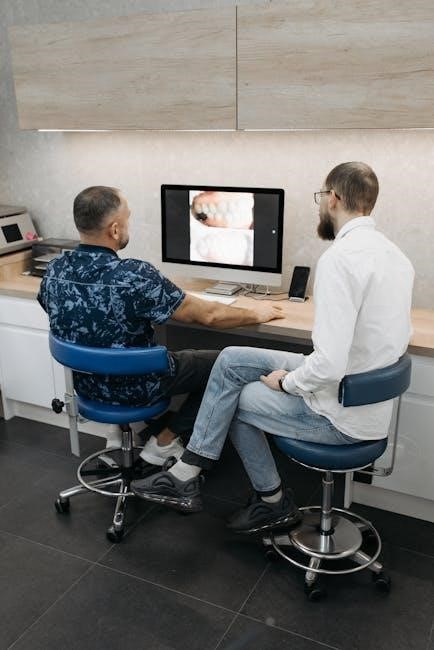
ClinCheck is the core software for visualizing your Invisalign journey‚ and understanding its interface is paramount. The software presents a 3D model of your teeth‚ showcasing the planned movements with each aligner stage.
Key features include the ability to rotate and zoom‚ allowing detailed inspection of tooth positions. You’ll see a timeline representing the duration of your treatment‚ with each aligner numbered sequentially.
Attachments‚ if prescribed‚ are clearly visible as small‚ tooth-colored bumps. Interproximal Reduction (IPR)‚ where minor reshaping occurs between teeth‚ is also indicated.
The Invisalign Instructions PDF often includes screenshots and explanations of these features. Familiarize yourself with the playback function to simulate the entire treatment progression. Don’t hesitate to ask your orthodontist to walk you through the software during your appointments‚ ensuring you fully grasp the planned movements and expected outcomes.
Reading Your Treatment Plan Visualization
Your Invisalign Instructions PDF will feature a detailed visualization of your treatment plan‚ generated by ClinCheck. This isn’t just a static image; it’s a dynamic representation of your tooth movements over time.
Each tooth is shown progressing towards its final‚ desired position. Pay attention to the arrows indicating the direction and extent of each shift. The visualization highlights the sequence of aligners needed to achieve these changes.
Attachments appear as white bumps‚ indicating areas where aligners need extra grip. IPR (Interproximal Reduction) is shown as slight gaps between teeth‚ representing minor reshaping.

Understanding this visualization empowers you to track your progress. The PDF will often include explanations of each stage‚ helping you anticipate changes and address any concerns with your orthodontist. A thorough review ensures you’re informed and confident throughout your Invisalign journey.
Understanding Aligner Stages and Timeline
Your Invisalign Instructions PDF meticulously outlines each aligner stage‚ typically spanning one to two weeks per aligner. The PDF details the complete timeline‚ from the initial aligner to the final refinement aligners‚ if needed.
Each stage represents a small‚ incremental shift in tooth position. The PDF will clearly number each aligner‚ allowing you to track your progression. It’s crucial to adhere to the prescribed schedule‚ wearing each aligner for the recommended 20-22 hours daily.
The treatment plan visualization (from ClinCheck) correlates directly with these stages‚ showing the anticipated movement at each step. Deviations from the schedule can impact results‚ so consistent wear is paramount.
The PDF may also indicate anticipated discomfort levels or specific instructions for each stage‚ ensuring a smooth and predictable Invisalign experience. Careful review of this information is essential for success.
Wearing Your Invisalign Aligners
Invisalign Instructions PDFs emphasize proper aligner insertion and removal techniques. Consistent wear time (20-22 hours) is vital for success‚ alongside diligent cleaning and storage.
Aligner Insertion and Removal Techniques
Invisalign Instructions PDFs provide detailed guidance on safely inserting and removing your aligners. Begin by gently placing the aligner over your upper teeth‚ ensuring all edges seat correctly along the gumline. Use your fingers to apply even pressure‚ working around each tooth. For removal‚ use an Invisalign removal tool or your fingernails to gently lift the aligner away from your teeth‚ starting from the back.
Crucially‚ avoid using excessive force during both insertion and removal to prevent damage to the aligners or your teeth. The PDF will often include visual aids demonstrating the correct technique. Proper technique minimizes discomfort and ensures the aligners maintain their shape and effectiveness. Regularly consult your Invisalign Instructions PDF for reminders and best practices‚ as consistent adherence to these techniques is paramount for a successful treatment journey.
Remember to always wash your hands before handling your aligners!
Wear Time Requirements (20-22 Hours Daily)
Invisalign Instructions PDFs consistently emphasize the critical importance of adhering to the 20-22 hour daily wear time. This extended wear is non-negotiable for achieving the desired results. The aligners work by applying consistent‚ gentle pressure‚ and reducing wear time compromises this force‚ slowing down tooth movement and potentially derailing the treatment plan.
PDF guides often detail strategies for maximizing wear time‚ such as removing aligners only during meals‚ brushing‚ and flossing. They may also address common challenges and offer solutions for maintaining compliance. Consistent wear is directly correlated with treatment success‚ so diligent adherence to these guidelines‚ as outlined in your Invisalign Instructions PDF‚ is essential. Remember‚ every hour counts towards a straighter‚ healthier smile!
Failure to meet the wear time may result in treatment delays.
Caring for Your Aligners: Cleaning and Storage
Invisalign Instructions PDFs dedicate significant attention to proper aligner care‚ emphasizing that cleanliness is paramount. Daily cleaning with a soft-bristled toothbrush and mild soap is crucial to prevent plaque buildup and discoloration. Avoid abrasive toothpaste‚ as it can scratch the aligner material. Regular cleaning maintains clarity and prevents odors.
PDF guides also detail proper storage procedures. When not in use‚ aligners should be stored in their designated case to protect them from damage‚ distortion‚ and potential loss. Never store aligners in water or expose them to extreme temperatures. Proper storage ensures their longevity and effectiveness. Following these guidelines‚ as detailed in your Invisalign Instructions PDF‚ will contribute to a successful and hygienic treatment experience.
Damaged aligners should be reported to your orthodontist immediately.

Attachments and Interproximal Reduction (IPR)
Invisalign Instructions PDFs thoroughly explain attachments – composite resin used for better aligner grip – and IPR‚ carefully reducing tooth size for space.
These guides detail their purpose and potential sensitivity.
What are Attachments and Why are They Used?
Invisalign Instructions PDFs dedicate significant detail to attachments‚ small‚ tooth-colored composite resin bumps bonded to specific teeth. These aren’t always necessary‚ but are crucial for complex movements. The PDFs explain they act as anchors‚ providing the aligners with something to grip onto‚ enabling precise tooth rotations‚ extrusions‚ and bodily movements that wouldn’t be achievable otherwise.
ClinCheck visualizations within the PDF clearly show the placement of each attachment‚ customized to your unique treatment plan. The guides emphasize that attachments don’t affect your smile’s appearance significantly and are removed post-treatment. They are essential for achieving predictable results‚ particularly in cases involving significant crowding or complex orthodontic issues. The PDFs also address potential initial sensitivity after placement‚ offering guidance on managing any discomfort.
Understanding Interproximal Reduction (IPR)
Invisalign Instructions PDFs thoroughly explain Interproximal Reduction (IPR)‚ a process involving carefully removing small amounts of enamel between teeth. This creates space to relieve crowding and allows for optimal tooth alignment. The PDFs emphasize IPR isn’t always required‚ and its necessity is determined during the initial treatment planning phase‚ visualized within ClinCheck.
Detailed diagrams within the PDF illustrate precisely which teeth will undergo IPR and the amount of enamel removed. The guides assure patients that IPR is a safe and conservative procedure‚ performed to enhance treatment effectiveness. Post-IPR sensitivity is addressed‚ with recommendations for managing any temporary discomfort. The PDFs highlight that IPR contributes to a more harmonious bite and a beautiful‚ functional smile‚ optimizing the final Invisalign result.
Managing Sensitivity After Attachment Placement/IPR
Invisalign Instructions PDFs dedicate sections to managing sensitivity following attachment placement and Interproximal Reduction (IPR). These guides acknowledge temporary discomfort is common‚ typically subsiding within a few days. The PDFs recommend over-the-counter pain relievers‚ like ibuprofen‚ to alleviate any soreness.
Specific advice includes consuming soft foods‚ avoiding extremely hot or cold temperatures‚ and gently massaging the gums. The PDFs emphasize the importance of continuing to wear aligners‚ even with sensitivity‚ as consistent wear promotes adaptation. If discomfort persists beyond a week‚ the guide advises contacting your orthodontist. Detailed troubleshooting sections within the PDF offer reassurance and proactive steps to ensure a comfortable Invisalign experience‚ minimizing disruption to treatment progress.

Troubleshooting Common Invisalign Issues
Invisalign Instructions PDFs provide solutions for discomfort‚ fit problems‚ and lost aligners.
These guides offer advice on managing issues‚ ensuring treatment stays on track‚ and minimizing disruptions.
PDFs detail steps for contacting your orthodontist when problems arise.
Dealing with Aligner Discomfort
Invisalign Instructions PDFs frequently address the common experience of initial discomfort when starting a new aligner. This is typically a temporary sensation as your teeth adjust to the new position. PDF guides often recommend over-the-counter pain relievers‚ like ibuprofen or acetaminophen‚ to manage any soreness.
The PDFs emphasize that discomfort usually subsides within a few days. If pain persists or becomes severe‚ the instruction manuals advise contacting your orthodontist immediately. They may suggest adjustments to the aligner or offer further guidance.
Furthermore‚ these documents often suggest gently massaging the gums around any sore teeth. They also highlight the importance of ensuring the aligner is properly seated‚ as an ill-fitting aligner can exacerbate discomfort; Invisalign PDFs consistently reassure patients that some initial discomfort is normal and manageable with the right approach.
Addressing Aligner Fit Problems
Invisalign Instructions PDFs dedicate sections to troubleshooting aligner fit issues‚ a common concern for patients. These guides detail how to identify if an aligner isn’t seating correctly – looking for gaps or pressure points. The PDFs often advise gently using a chew tab or tongue pressure to help guide the aligner into place.
However‚ they strongly caution against forcing the aligner‚ as this could damage both the aligner and your teeth. If the aligner consistently doesn’t fit‚ the instruction manuals emphasize contacting your orthodontist promptly.
PDFs may include visual aids demonstrating proper seating techniques. They also explain that minor fit issues can sometimes resolve themselves as teeth shift. Crucially‚ these documents stress that persistent fit problems require professional evaluation to prevent treatment delays or complications. Ignoring fit issues can hinder progress.
What to Do If You Lose or Damage an Aligner
Invisalign Instructions PDFs provide clear protocols for lost or damaged aligners‚ emphasizing swift action. Losing an aligner requires immediately reverting to the previous stage aligner‚ as outlined in the PDF’s treatment plan schedule. Continuing with the next aligner without notifying your orthodontist can disrupt the process.
Damage‚ such as cracks or breaks‚ also necessitates contacting your orthodontist. The PDFs typically advise against attempting to repair a damaged aligner yourself. They explain that continuing to wear a compromised aligner can impede tooth movement and potentially cause discomfort.
These instructional documents often include contact information for Align Technology’s customer support for replacement options‚ though a dentist’s approval is usually required. The guides stress that prompt communication is key to minimizing treatment delays and maintaining optimal results.

Refinements and Post-Treatment
Invisalign Instructions PDFs detail refinement options for adjustments‚ and emphasize consistent retainer wear post-treatment.
PDFs also cover long-term care and relapse prevention strategies for lasting smiles.
Comprehensive guides ensure patients understand maintaining their results after completing the Invisalign process.
The Refinement Process: Adjusting the Final Results
Invisalign Instructions PDFs thoroughly explain the refinement process‚ a common step after initial aligner treatment. These PDF guides detail how orthodontists assess the final results using the ClinCheck software‚ identifying areas needing minor adjustments. The PDFs clarify that refinements involve creating a new set of aligners‚ specifically targeting residual discrepancies.
Detailed instructions within the PDF outline the evaluation criteria for determining if refinements are necessary‚ often focusing on achieving optimal tooth alignment and bite correction. They emphasize that refinements are not a failure‚ but a standard part of achieving the desired outcome. The PDFs also address the timeline for refinements‚ typically shorter than the initial treatment phase.
Furthermore‚ these guides explain how the orthodontist communicates refinement plans to the patient‚ utilizing the ClinCheck visualization to illustrate the proposed changes. They also cover potential costs associated with refinements‚ ensuring transparency throughout the process. Invisalign Instructions PDFs are crucial for understanding this final stage.
Retainer Wear: Maintaining Your New Smile
Invisalign Instructions PDFs dedicate significant sections to retainer wear‚ emphasizing its critical role in long-term smile stability. These PDF guides explain that teeth have a natural tendency to shift‚ even after orthodontic treatment‚ making retainers essential. The PDFs detail different retainer types – clear retainers and wire retainers – outlining the pros and cons of each.
Detailed instructions within the PDF specify the initial wear schedule‚ typically full-time for several months‚ gradually transitioning to nighttime wear. They stress the importance of consistent retainer use‚ as directed by the orthodontist‚ to prevent relapse. The PDFs also address retainer care‚ including cleaning and storage‚ to ensure longevity.
Furthermore‚ these guides explain potential consequences of neglecting retainer wear‚ such as minor tooth shifting and bite changes. They often include visual aids demonstrating proper retainer insertion and removal. Invisalign Instructions PDFs are vital for understanding how to preserve your beautifully aligned smile for years to come.
Long-Term Care and Potential Relapse Prevention
Invisalign Instructions PDFs consistently highlight the importance of ongoing dental care to maintain treatment results and prevent relapse. These PDF guides emphasize regular check-ups and professional cleanings as crucial components of long-term oral health. They often detail potential issues that could contribute to shifting‚ such as bruxism (teeth grinding) and gum disease‚ advising patients to address these proactively.
The PDFs also reinforce the necessity of consistent retainer wear‚ as outlined previously‚ stressing that it’s not a temporary measure but a lifelong commitment. They explain how even minor shifts can compromise the aesthetic and functional benefits of Invisalign treatment.
Detailed sections within the PDF may offer guidance on lifestyle factors‚ like avoiding habits that could strain teeth‚ and recognizing early signs of relapse. Ultimately‚ these Invisalign Instructions PDFs empower patients to take ownership of their oral health and preserve their smiles indefinitely.